


Sunscreen: HSA Eligibility
Sunscreen: eligible with a Health Savings Account (HSA)
Sunscreens with an SPF of 15 or higher and with broad spectrum (UVA, UVB) protection are eligible for reimbursement with: Health savings accounts (HSA), Flexible spending accounts (FSA), Health reimbursement accounts (HRA). Sunscreen is not eligible for reimbursement with dependent care flexible spending accounts (DCFSA) and limited-purpose flexible spending accounts (LPFSA).
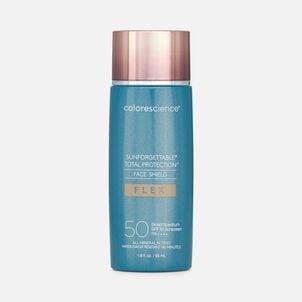
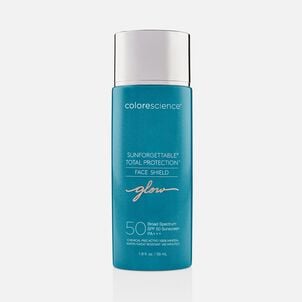
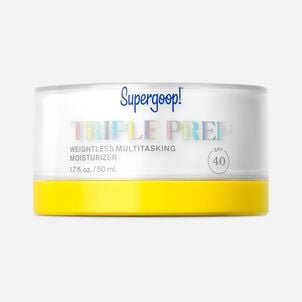
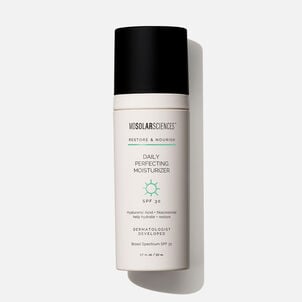
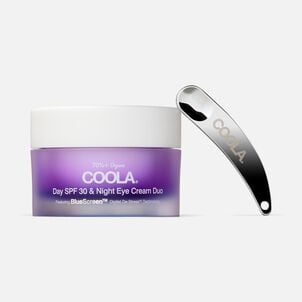
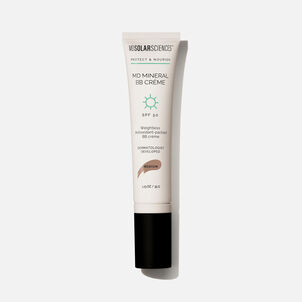
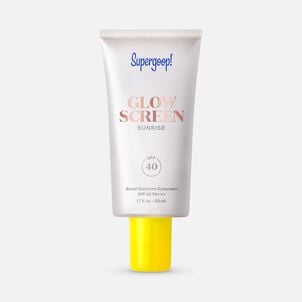
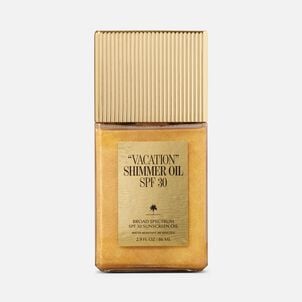
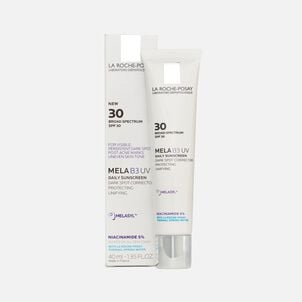
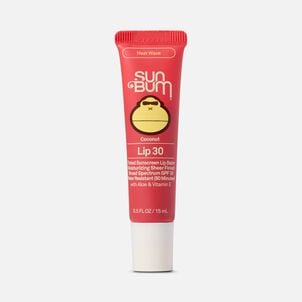
HSA Eligible Suncare
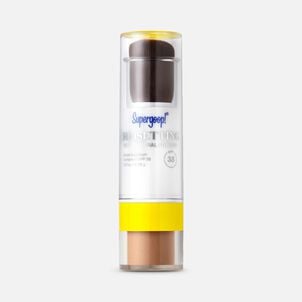
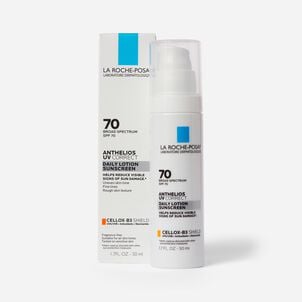
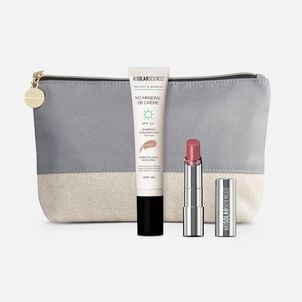
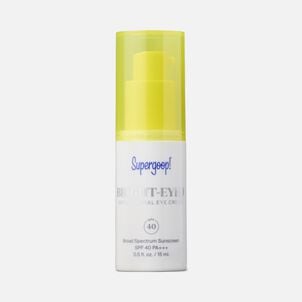
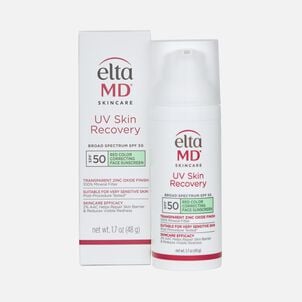
Why is sunscreen HSA eligible?
Sunscreen is used to prevent medical conditions and diseases such as sunburn and skin cancer.
According to the IRS, a healthcare product is HSA eligible if it is used for the “diagnosis, cure, mitigation, treatment, or prevention of disease and for the purpose of affecting any part or function of the body.”
Learn more about HSA eligible sunscreen:
How to use your HSA to buy sunscreen
To buy sunscreen with your HSA, you can either:
- Pay upfront with your HSA card.
- Pay out of pocket and reimburse yourself later.
Best-selling sunscreens
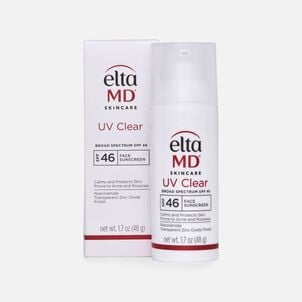
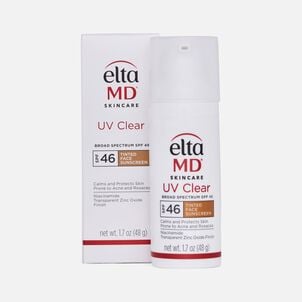
EltaMD UV Clear Broad-Spectrum Tinted Face Sunscreen Why customers like it: Tinted color, smooth application, moisturizing effect
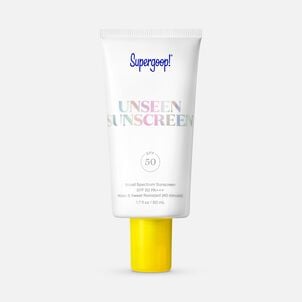
Supergoop! Unseen Sunscreen, SPF 50 Why customers like it: Clear application, non-greasy, lightweight
Blue Lizard Sensitive Sunscreen SPF 50 Spray Why customers like it: Non-irritating, light scent, easy application
FAQs
What does sunscreen protect against?
Sunscreen helps protect skin against the sun's ultraviolet (UV) rays, which can cause harmful diseases like skin cancer over time.
Anyone can get skin cancer, regardless of race or ethnicity, according to the Environmental Protection Agency. People with fairer skin or a history of skin cancer in the family may be at higher risk. An estimated 1 in 5 Americans will develop skin cancer in their lifetime.
How effective is sunscreen in the water and outside?
A water-resistant sunscreen stays on your skin for 40 minutes (regular water-resistant) or 80 minutes (very water-resistant) of water exposure.
Even if you wear water-resistant sunscreen, re-apply every 2 hours if you plan to be in the water for an extended period of time.
Use sunscreen anytime you plan to be outside. The sun emits harmful rays year-round, even on cloudy days. Snow, sand, and water increase the need to apply sunscreen since they reflect the sun's rays.
What types of sunscreens are there?
Sunscreens come in several different forms, including:
- Lotions
- Sprays
- Powders
- Sticks
- Creams
- Gels
- Oils
Lotion is the most common type of sunscreen. Cream-based sunscreen is best for dry skin and the face. Gels are good for oily complexions and hairy areas, and sticks are especially useful for areas around the eye and the scalp. They are often made as chapstick for the mouth.
Parents often prefer sprays because of their convenience with children. But make sure you spray sufficiently on all areas of the skin and then rub the sunscreen in. Sprays can also help you cover areas where it’s hard to apply sunscreen by yourself, like your back.
Only use powder sunscreen for reapplying or touching up an area after you’ve already applied a lotion or cream.
There are also sunscreens specifically for people with sensitive skin and young children.
What’s the difference between mineral and chemical sunscreen?
According to the Cleveland Clinic, mineral sunscreens contain minerals such as zinc oxide and titanium dioxide as active ingredients. They reflect UV rays away from your skin. These sunscreens are visible when applied and start working right away.
Chemical sunscreens contain chemicals such as avobenzone, oxybenzone, and octinoxate as active ingredients. They absorb UV rays and convert them to heat, which is released by your skin. These sunscreens are invisible when applied and take about 30 minutes to start working.
In June 2026, the FDA approved bemotrizinol, a new broad-spectrum chemical sunscreen ingredient. Bemotrizinol is not easily absorbed into the skin and is less likely to enter the bloodstream. The first products containing the ingredient are expected to be available in September 2026.
What’s the difference between facial and body sunscreen?
Facial and body sunscreens have similar ingredients. But facial sunscreens are made with less oil and may contain ingredients that support skin health and protect against aging skin.
Body sunscreens contain ingredients such as shea butter and coconut esters that can irritate acne-prone skin.
What’s the difference between SPF 30 and SPF 50?
SPF 30 is best for light sun exposure, such as walking your dog or running errands on a sunny day.
SPF 50 is best for activities where you’re outside for long periods of time, such as swimming or playing sports.
SPF stands for sun protection factor. It indicates how much of the sun’s UV radiation it takes to redden your skin when using a sunscreen compared to the amount of UV radiation it takes to redden it without any sunscreen.
However, many factors can influence how well sunscreen protects you. For example, water and sweat can wash off sunscreen, and sunscreen can be less effective if it’s applied unevenly or infrequently while you're outdoors.
How do I choose the right sunscreen?
The best sunscreen for you depends on several factors, such as:
- Skin type
- Activities you'll be doing
- History of skin cancer in yourself or your family
The American Academy of Dermatology Association recommends choosing a sunscreen that’s:
- Broad spectrum (one that protects against UVA and UVB rays)
- At least SPF 30
- Water resistant for up to 40 or 80 minutes
Consider a mineral sunscreen if you have sensitive or acne-prone skin. You may also want to use an SPF higher than 30 if you have fair skin or if you’ve had skin cancer or have a family history of it.
Reviewed by the Health-E Commerce Compliance Team
Popular Categories
Don't know where to begin? Start with these popular categories to find the eligible items and services you need.
Or, take our quiz and see how well you know what your HSA covers.
Or, take our quiz and see how well you know what your HSA covers.
Popular Categories